

Sound shapes spaces. It creates atmosphere, draws attention and brings brands to life. In stores, at events, in exhibitions and in digital applications.





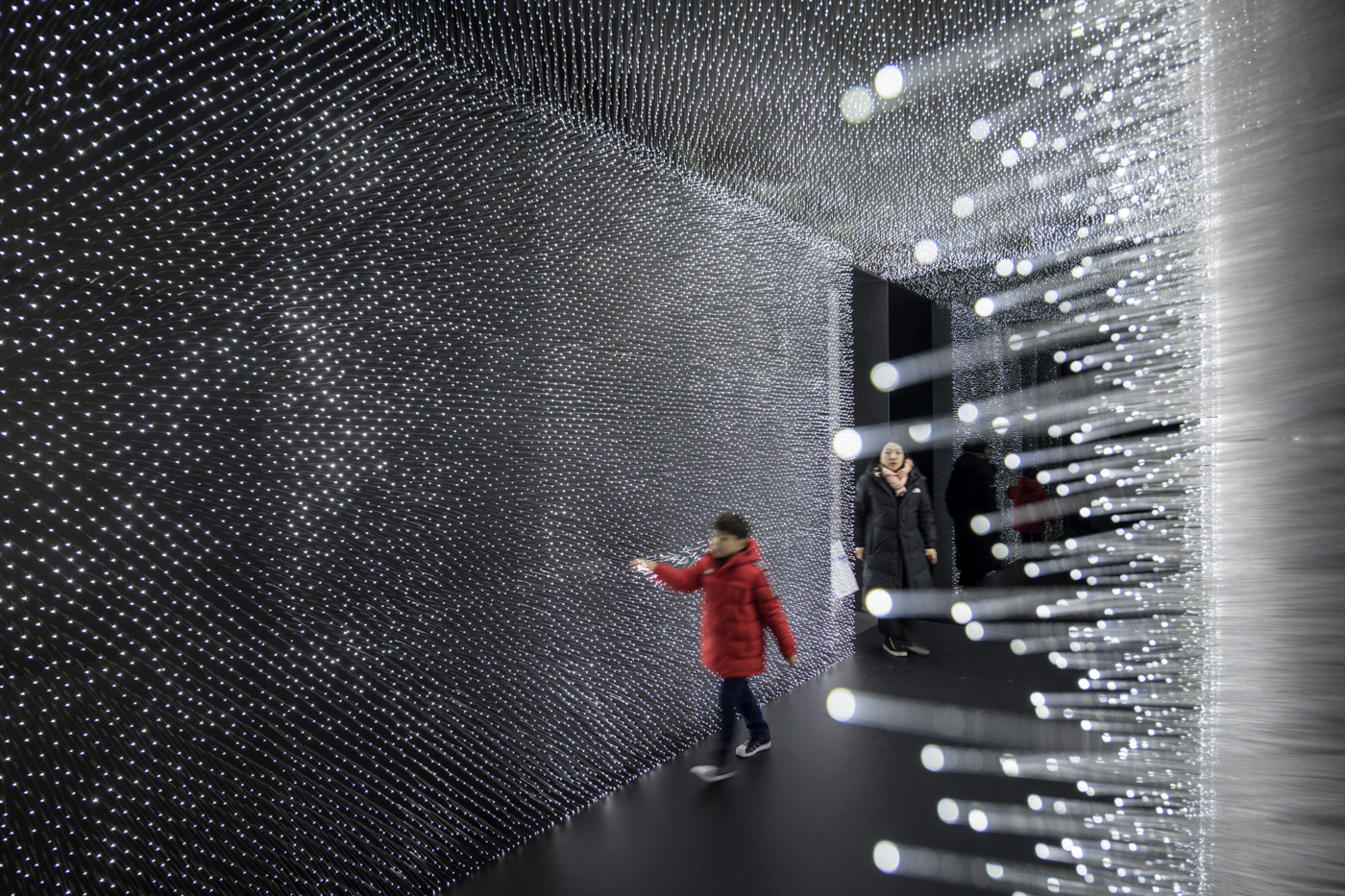

Spaces become emotionally engaging
Attention is purposefully directed
Brand experiences feel more consistent and memorable
Visitors stay longer and remember more
Sound provides orientation and recognition


Spatial and immersive audio describe the deliberate design of sound in space, also known as 3D audio. Sounds can be placed, moved, and tailored precisely to the architecture, environment, or audience. This creates a spatial sound experience that places listeners right in the middle of the action.
Spatial audio primarily describes the technical and creative methods used to place sound in a space. Immersive audio, on the other hand, refers to the resulting experience of being surrounded by sound.
Yes. With binaural productions, spatial sound experiences can be created using conventional headphones.
Depending on the application, we use technologies such as Dolby Atmos, Sony 360 Reality Audio, Ambisonics, DTS:X, Auro 3D, and binaural audio technologies, among others.
They are used in brand spaces, stores, showrooms, exhibitions, events, trade shows, and installations, as well as in VR, AR, and digital applications.


